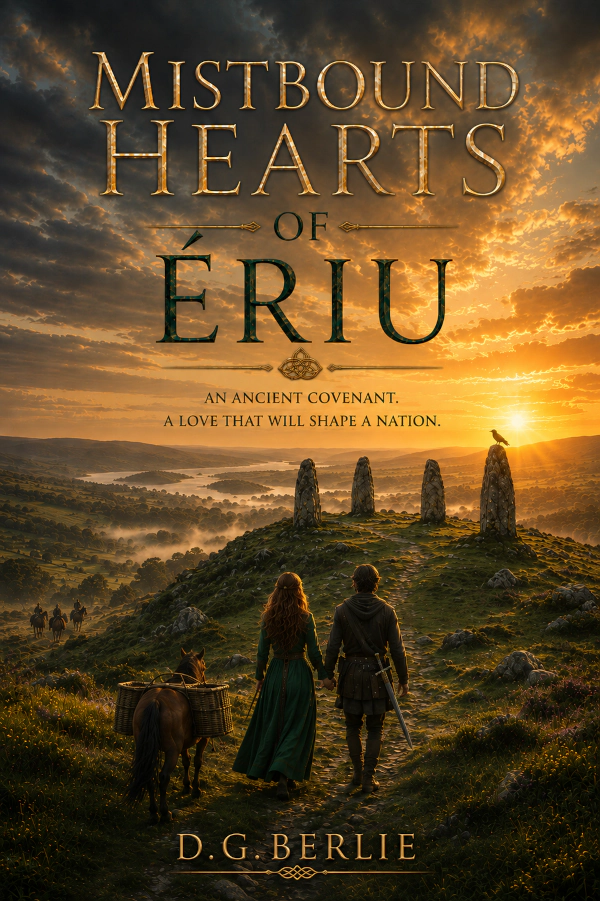
Welcome
Walk the Ancient Trails of Ériu
Mistbound Hearts of Ériu includes Irish names, place names and words to reflect the language, landscape and culture of ancient Ireland. This companion guide offers pronunciations, meanings, character portraits, maps and background information without interrupting the story itself.
Whether Ireland is your ancestral home or simply a place that stirs your imagination, may this guide enrich your journey through Ériu.
Spoiler Notice
Most of this guide is spoiler-free. Sections discussing Na Clocha na Bandia, the ancient oath and later events are best read after finishing the novel.
Map
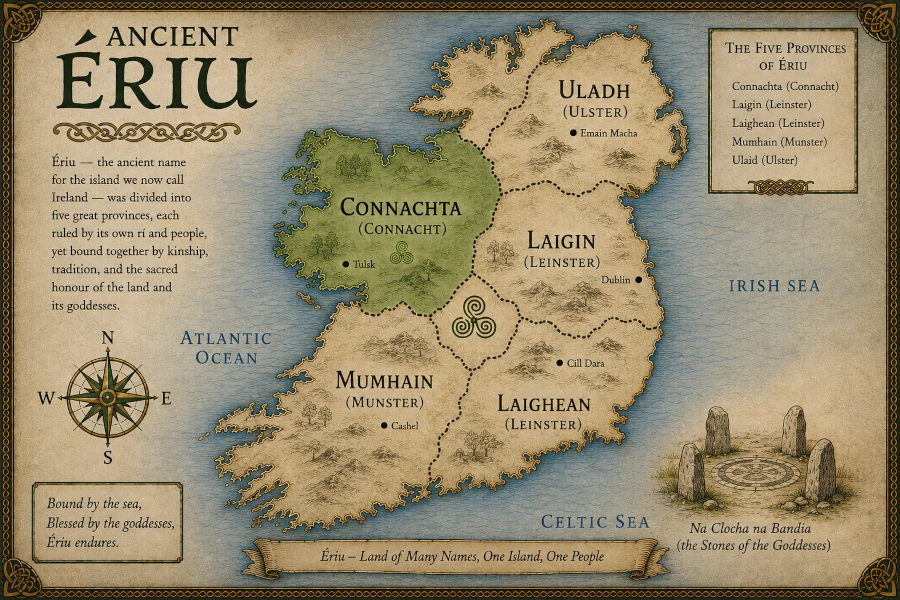
Ancient Ériu and Connachta
Ériu is the ancient name used in the novel for Ireland. Most of Aoife's journey takes place across Connachta in the western part of the island.
The map provides a broad visual guide rather than a precise record of every fictional holding, trail or settlement in the story.
People of the Story
Main Characters
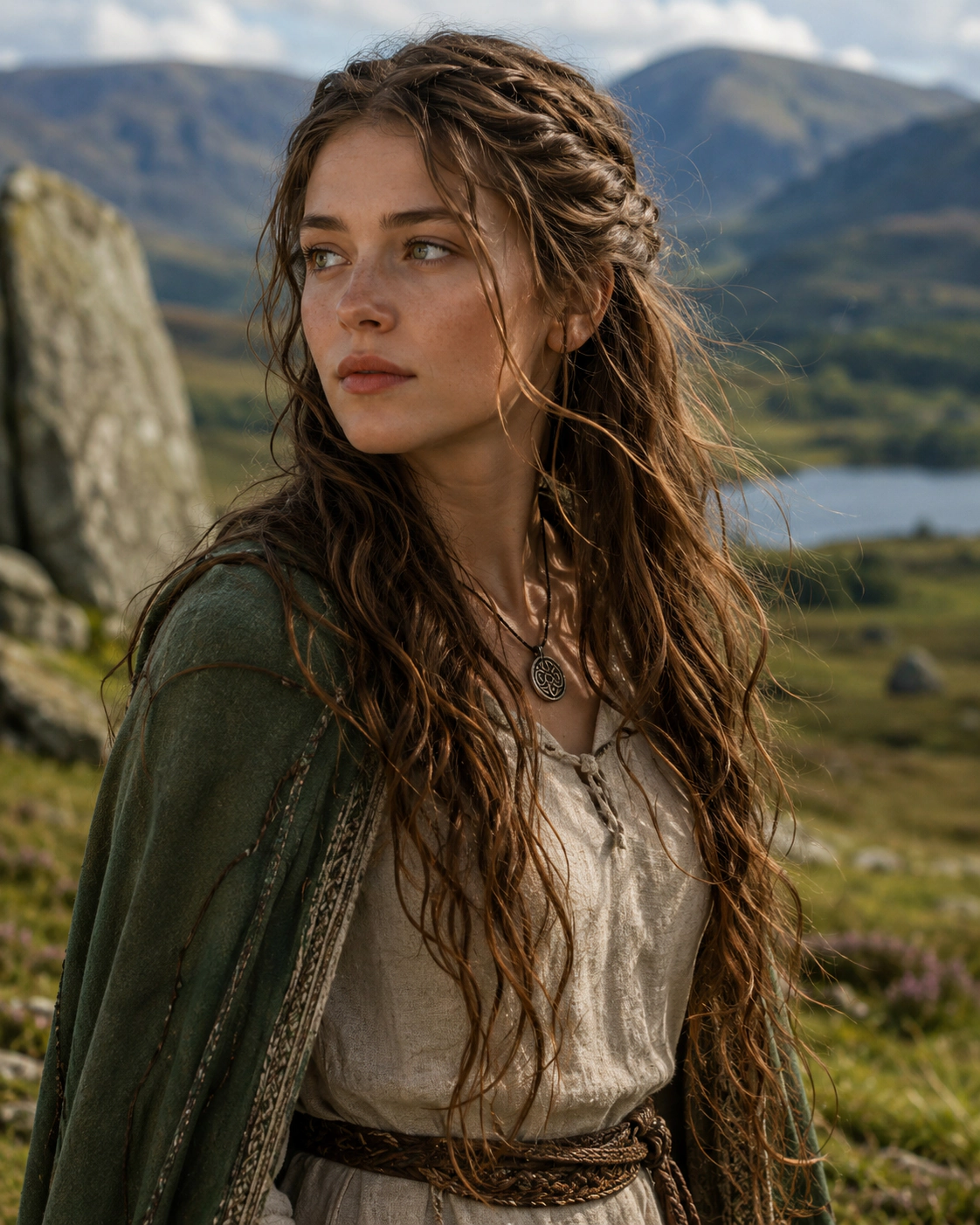
Aoife
Aoife is a young woman whose compassion, curiosity and quiet determination lead her to uncover a forgotten piece of Ériu's history.
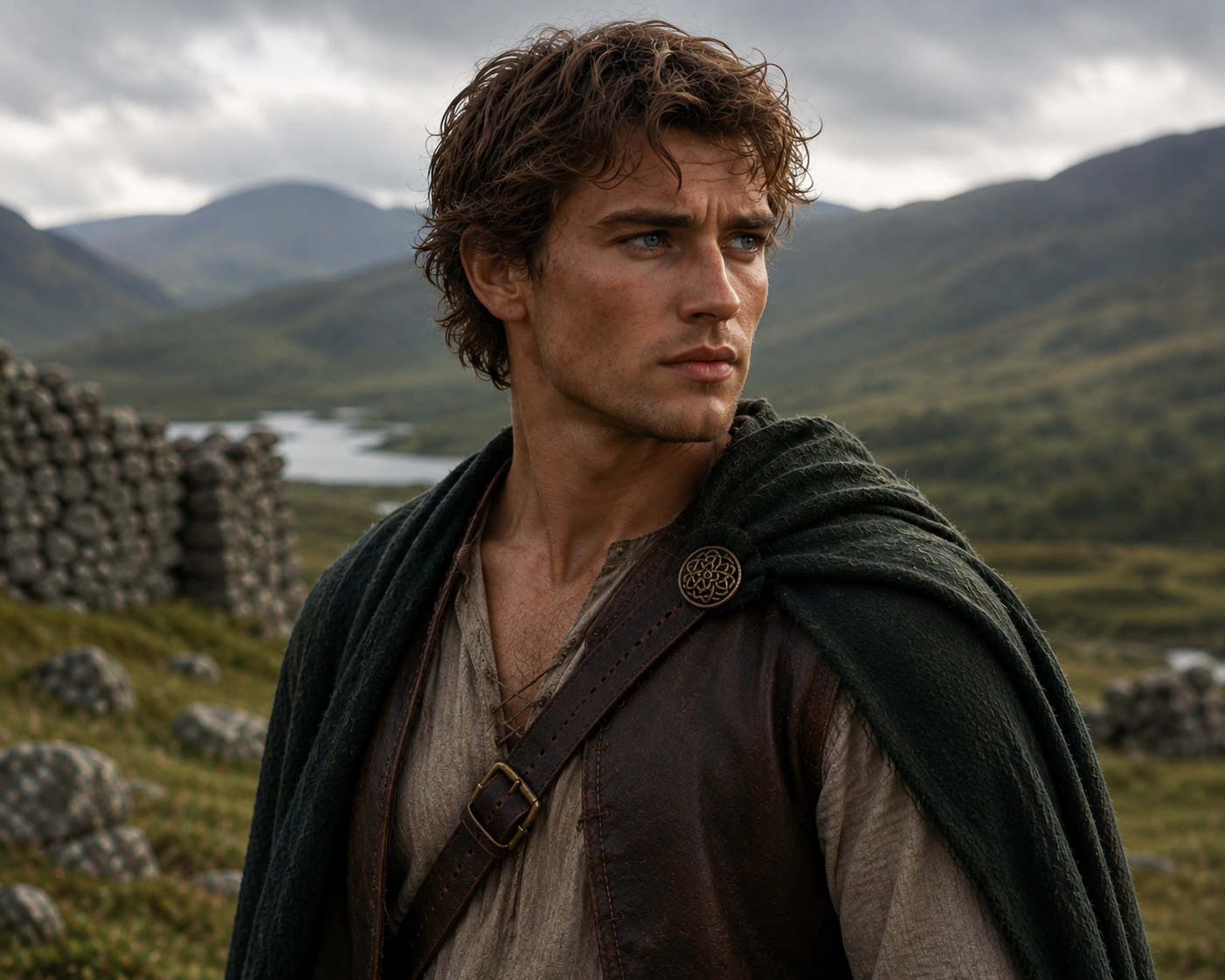
Ciarán
Ciarán is a thoughtful young warrior whose quiet courage, compassion and unwavering loyalty make him both protector and companion.
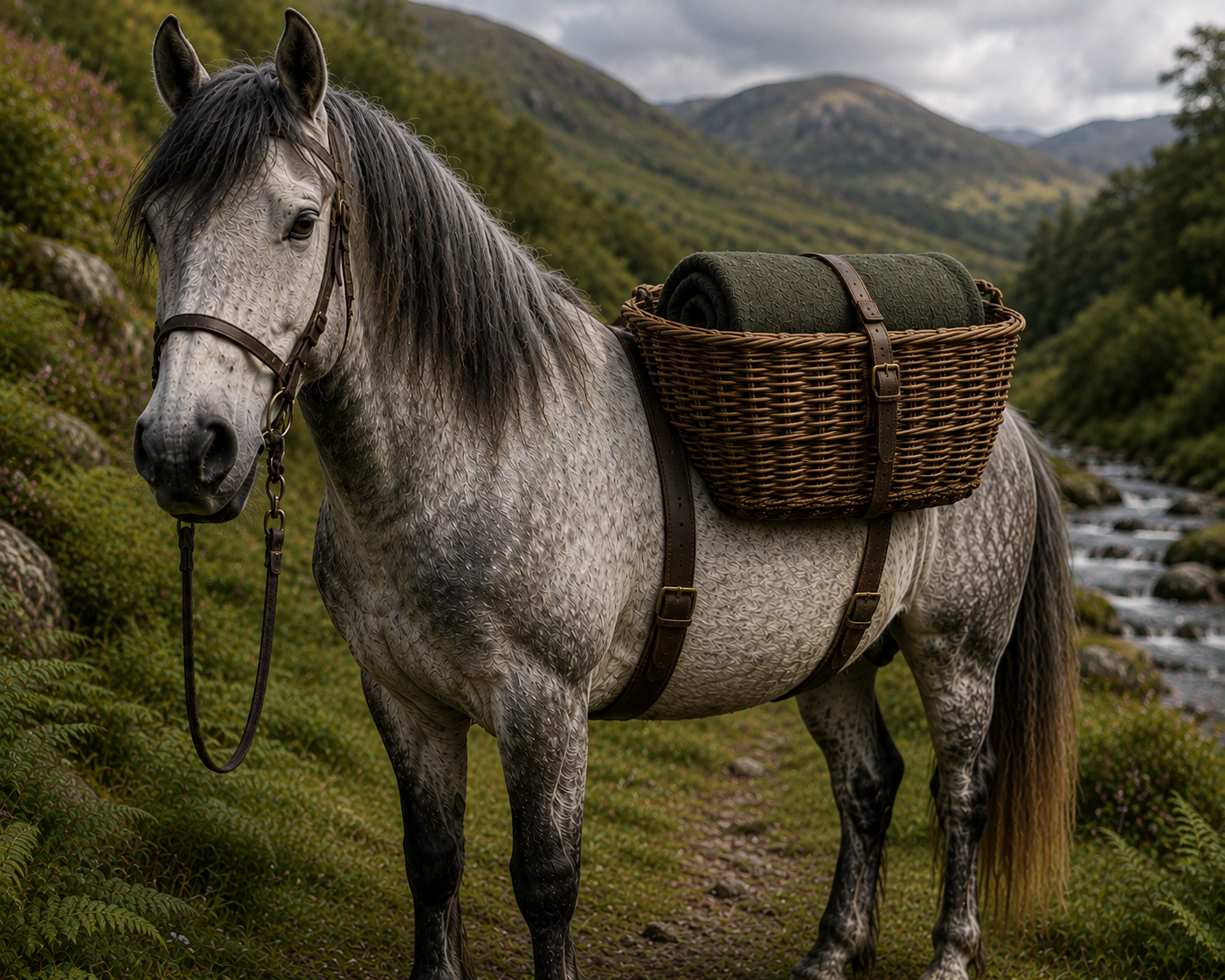
Liath
Liath is more than a pony. Gentle, loyal and steadfast, she quietly carries both the burdens of the journey and the hearts of those she loves.
Family
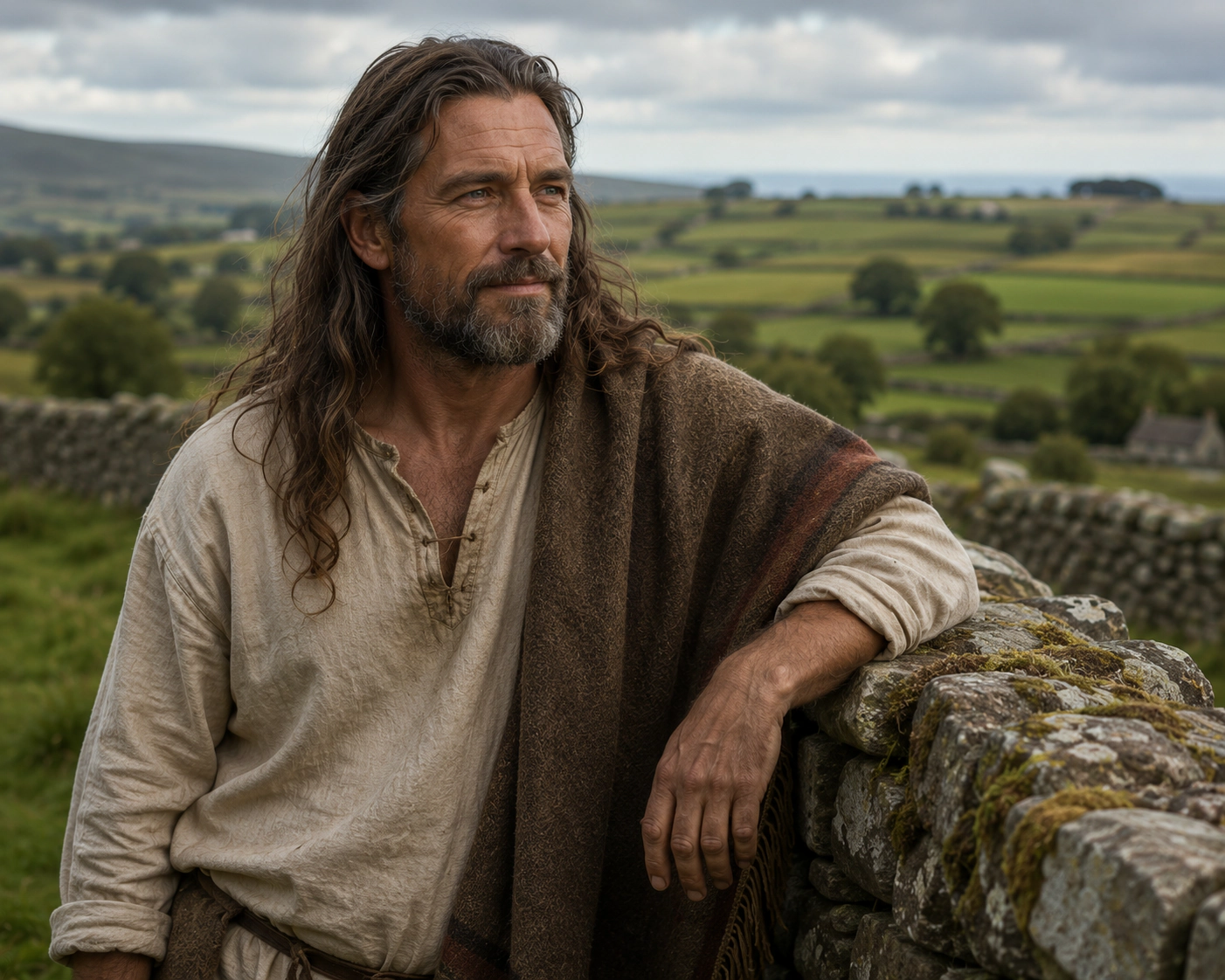
Niall
Niall is Aoife's wise and steadfast father whose quiet strength, kindness and deep respect for the land shape the values that guide her.
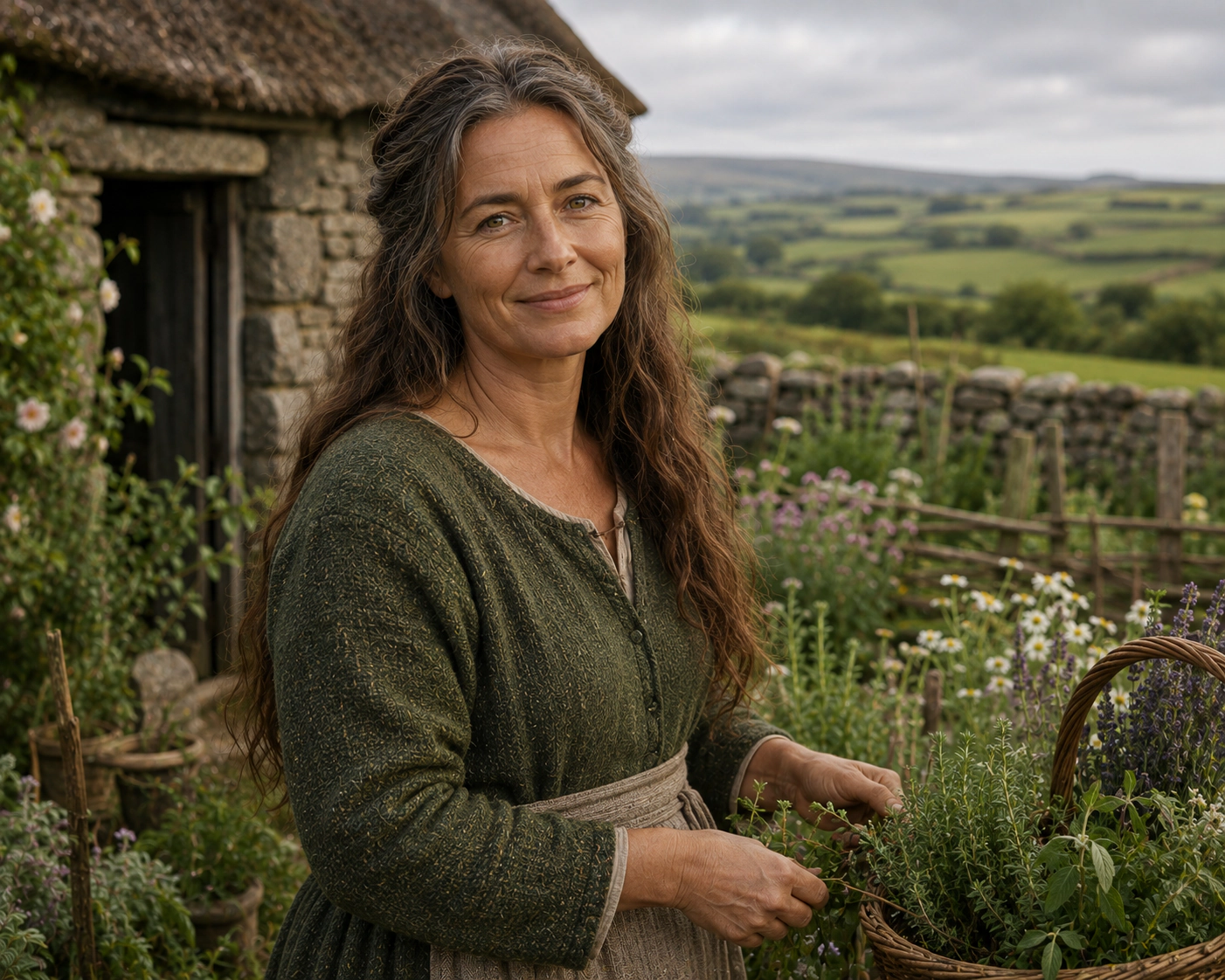
Éithne
Éithne is Aoife's warm-hearted mother whose gentle wisdom, unwavering love and nurturing spirit make home the place every journey returns to.
Language Guide
Irish Names and Pronunciations
The pronunciations below are written in an easy-to-read form for English-speaking readers. Regional Irish pronunciation may vary.
| Irish name or word | Approximate pronunciation | Meaning or context |
|---|---|---|
| Ériu | AIR-yoo | An ancient poetic name for Ireland. |
| Aoife | EE-fa | A traditional Irish woman's name. |
| Ciarán | KEER-awn | A traditional Irish man's name. |
| Éithne | EN-ya | A traditional Irish woman's name. |
| Niall | NYE-al | A traditional Irish man's name. |
| Liath | LEE-ah | Grey. |
| Connachta | KON-akh-ta | The western province in which most of the story takes place. |
| Danu | DAN-oo | The Mother Goddess associated with the ancient oath. |
| An Mhórríghain | un VOR-ree-an | The Great Queen, associated with prophecy, sovereignty and the raven. |
| An Abhainn Dubh | un OW-in DOOV | The Black River. |
| Na Clocha Móra | na KLOKH-a MOR-a | The Great Stones. |
| Na Clocha na Bandia | na KLOKH-a na BAN-dee-a | The Stones of the Goddess. |
| Bealtaine | BYAL-tin-a | The traditional spring festival marking the beginning of summer. |
| Ogham | OH-am | An early Irish alphabet carved as lines and notches. |
Irish Terms
Words Used in the Novel
Pronunciations are approximate and written for English-speaking readers. Regional Irish pronunciation may vary.
rí
Pronunciation: REE
A local king or ruler.
ríthe
Pronunciation: REE-ha
The plural form of rí: kings or rulers.
túath
Pronunciation: TOO-ah
A people, territory or small local kingdom.
baile
Pronunciation: BAL-ya
A settlement or inhabited place.
gallán
Pronunciation: guh-LAWN
A standing stone.
galláin
Pronunciation: guh-LAWN
The plural form of gallán: standing stones.
cliabh
Pronunciation: KLEEV
A wicker basket or pannier used for carrying supplies.
léine
Pronunciation: LAYN-ya
A long linen garment or tunic.
brógas
Pronunciation: BROH-gas
Trousers or close-fitting leg garments as used in the novel.
ingen
Pronunciation: IN-yen
Daughter of. It is lowercase unless it begins a sentence.
mac
Pronunciation: MAK
Son of. It is lowercase unless it begins a sentence.
a chroí
Pronunciation: uh KHREE
My heart or dear one.
Places
Locations in the Story
Connachta
The western region through which Aoife, Niall, Ciarán and Liath travel. Its fields, rivers, settlements and ancient trails form the heart of the novel.
An Abhainn Dubh
The Black River. Its crossings mark important stages in the journey west and the return home.
Na Clocha Móra
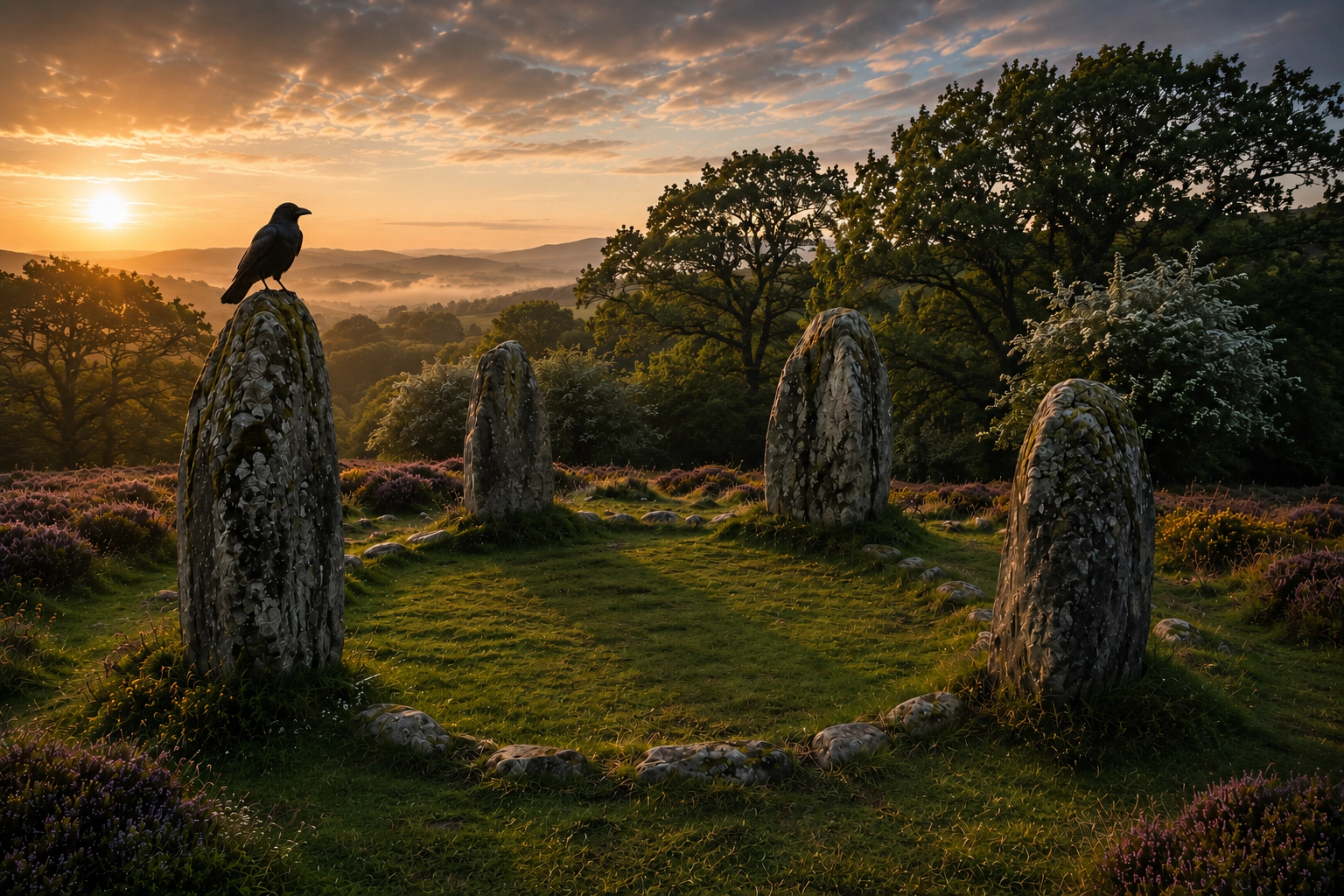
The Great Stones: four ancient galláin standing in a circle in the western countryside of Connachta.
Na Clocha na Bandia
The Stones of the Goddess. This is the true and ancient name of the sacred clearing known later as Na Clocha Móra.
Túath Brénainn
The túath from which Aoife, Niall, Éithne and Ciarán come.
Túath Énna and Túath Fergus
Neighbouring túatha whose ríthe become involved after the meaning of the ancient oath is revealed.
Na Clocha na Bandia
The sacred clearing contains four galláin arranged in a circle. Each stone is associated with a goddess, while Danu's gallán preserves the ancient Ogham oath.
Historical Background
Life in Ancient Ériu
Farming and Stewardship
Families depended upon cattle, crops, orchards, streams and seasonal knowledge. The novel presents the land as something cared for and passed forward rather than merely possessed.
Travel and Hospitality
Travellers move along long-used trails between settlements. Food, water and a place by the hearth are offered as ordinary expressions of hospitality.
Druids and Memory
Breasal is presented as a keeper of stories, agreements and inherited memory rather than as a figure of spectacle or mystery.
Ogham
Ogham is an early Irish writing system formed from groups of lines and notches. In the novel, it preserves the names and words of the sacred oath.
Standing Stones
Galláin mark places of memory, gathering and inherited meaning. Their full histories may outlast the people who first raised them.
Túatha and Ríthe
Connachta is shown as a landscape of neighbouring túatha, each guided by its own rí and elders while sharing responsibilities that reach beyond local boundaries.
Note: Mistbound Hearts of Ériu is a work of fiction inspired by ancient Irish culture, landscape and mythology. Some places, people and events are fictional.
Mythology
Danu and An Mhórríghain
Danu
Danu is honoured as the Mother Goddess of Ériu. Her presence in the novel is felt through the land, the ancient oath and subtle moments when wind, rain or the scent of wildflowers seem to answer what has been spoken.
Her influence remains gentle. She does not replace the choices or responsibilities of the people.
An Mhórríghain
An Mhórríghain is associated with the raven that appears throughout Aoife's journey. The bird watches, guides and occasionally draws attention to the path ahead.
The story never forces a single explanation. Readers may decide how much is raven, goddess or both.
Themes
What the Story Celebrates
Family
The story begins with a family and returns to that family at the end of the journey.
Stewardship
Fields, traditions, memories and promises are held in trust for those who follow.
Home
Home is not merely a destination. It shapes identity, values and the meaning of belonging.
Trust
Trust is given rather than demanded and grows through shared responsibility.
First Love
Aoife and Ciarán's relationship develops through kindness, observation and the choices they make together.
Responsibility
The most important question is not who holds the better claim, but who carries the greater responsibility.
Artwork
Visual Gallery
Aoife
Ciarán
Liath
Niall
Éithne
Na Clocha na Bandia
Author's Note
Language, Landscape and Home
Irish names and words have been retained wherever possible to preserve their connection with the language and landscape of Ériu. The pronunciation guide is intended to help readers approach them with confidence rather than replace the living richness of Gaeilge.
This story was written to reconnect readers, one small piece at a time, with Irish words, places, traditions and the enduring idea that home deserves respect.
Return to the Novel
Read the synopsis, meet the main characters and find purchase information on the main book page.
View the Book PageRead Mistbound Hearts of Ériu
Discover a Celtic romantasy celebrating family, first love, stewardship and the enduring bond between people and the land they call home.